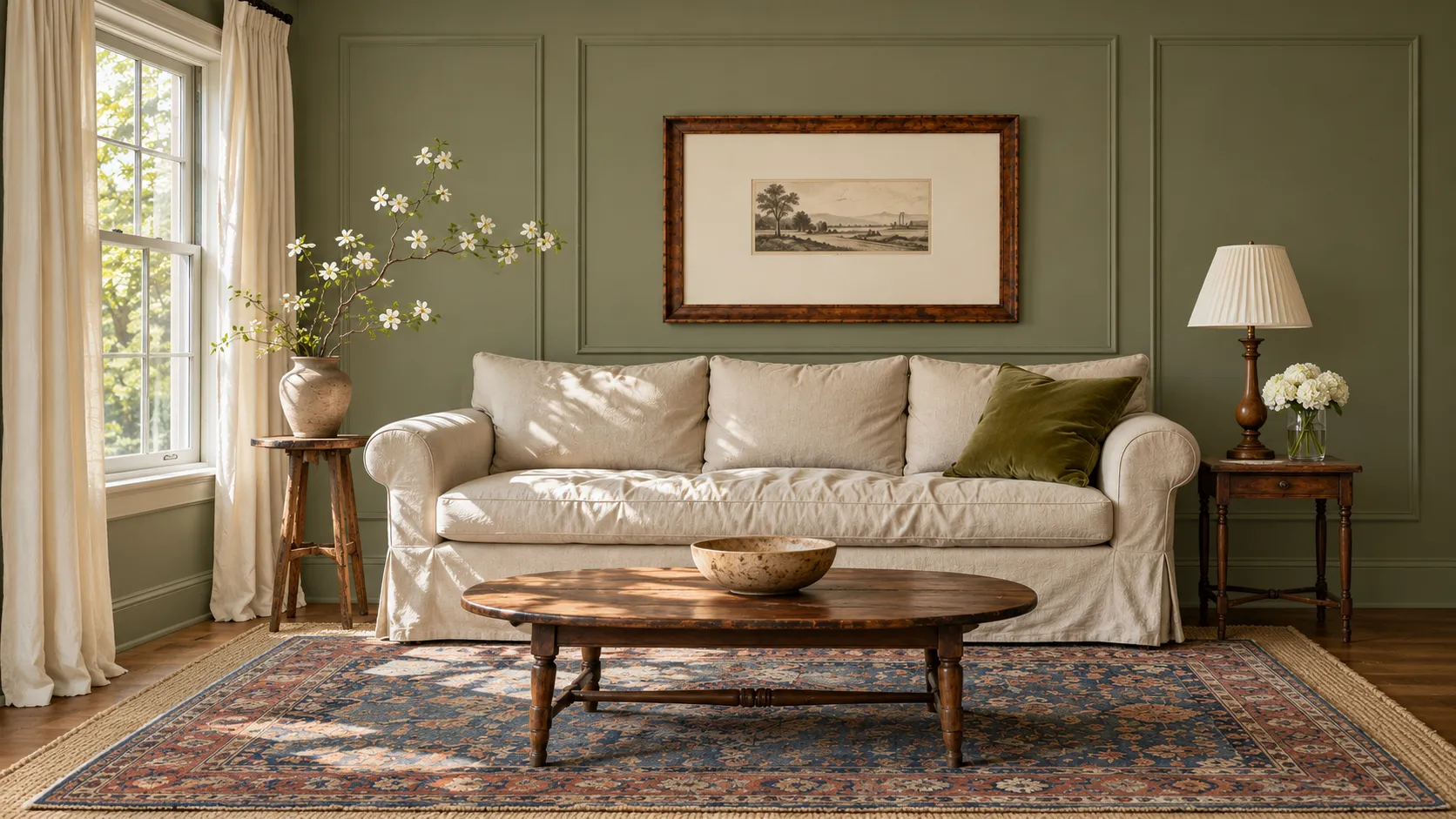
23 Dream House Decor Ideas for a Luxe Look on a Budget
The most expensive-looking thing in your entryway might be a postcard. Give it a wide ivory mat and a thrifted frame, and that little sketch can catch your eye from the front door.
These dream house decor ideas are for anyone who saves beautiful rooms on Pinterest, then looks up from their phone and wonders where to start. Maybe you love the linen curtains in a photo but need to use standard panels. Or perhaps the sofa on your screen costs more than your decorating budget, but what caught your eye was its soft oatmeal color.
In each of these 23 ideas, you’ll find a detail you can borrow and a practical way to try it at home. You’ll learn where to hang a curtain rod, how to check whether a slipcover will hide an old print, and even how to turn one marble tile into a bathroom tray.
High-Hung Linen Curtains
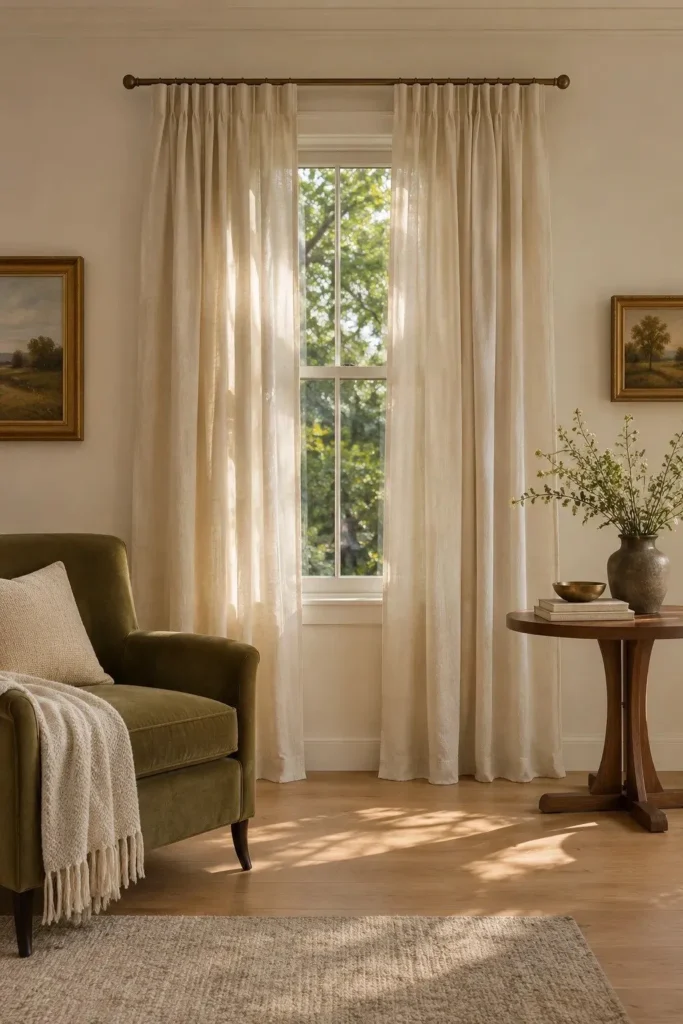
A narrow window feels wider the moment you pull the curtains clear of the glass. Extend the rod past the trim on both sides so the open panels rest against the wall. From the doorway, you’ll see the full window framed by two soft columns of fabric.
For a custom look on a budget, start with standard curtain panels and work backward. Wash washable panels first, then slip one onto the rod with the rings you plan to use. Have someone hold it above the trim until the hem brushes the floor, and mark the bracket positions.
Wide-Mat Wall Art
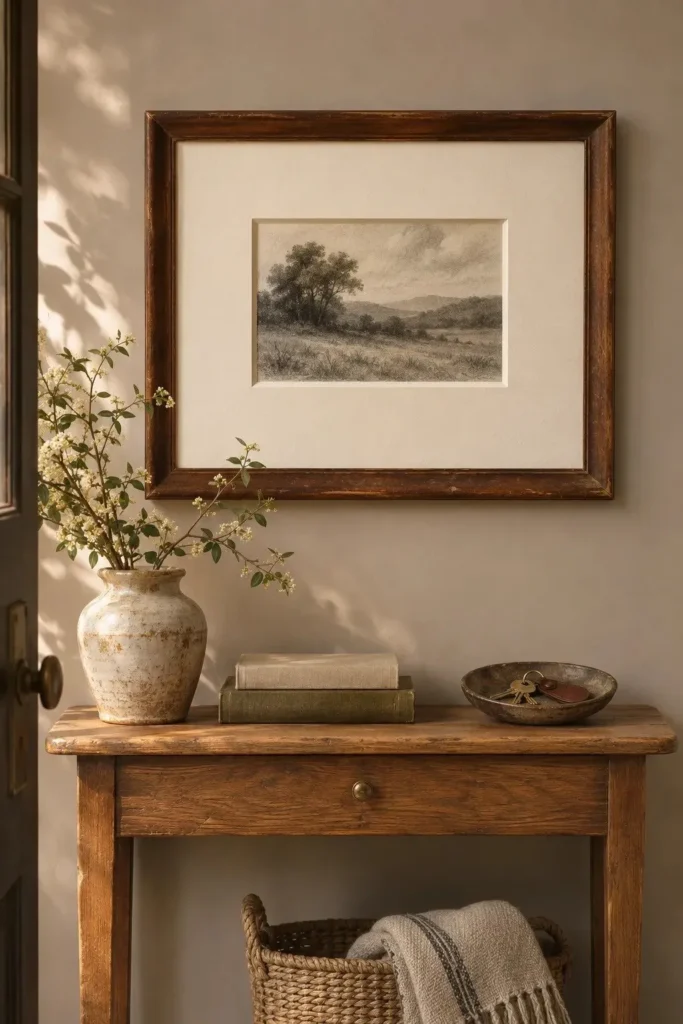
- Give a favorite postcard room to stand on its own. A landscape sketch, a botanical print, or a handwritten recipe can all work.
- For a 5 by 7 inch piece, look for an 11 by 14 inch secondhand frame with glass and an intact backing.
- Choose a precut mat labeled for both sizes. Its opening should overlap the edges of your piece slightly.
- Hold an ivory mat and a bright white one against the paper. Pick the shade that makes the details easiest to see.
A wide mat gives a tiny piece enough presence to hang by itself above an entry table. To judge the proportions before buying a frame, lay the print on a sheet of plain paper cut to the frame size. Set it across the room and check the view from your doorway.
Ribbon-Trimmed Pillow Shams
Quick Tip:
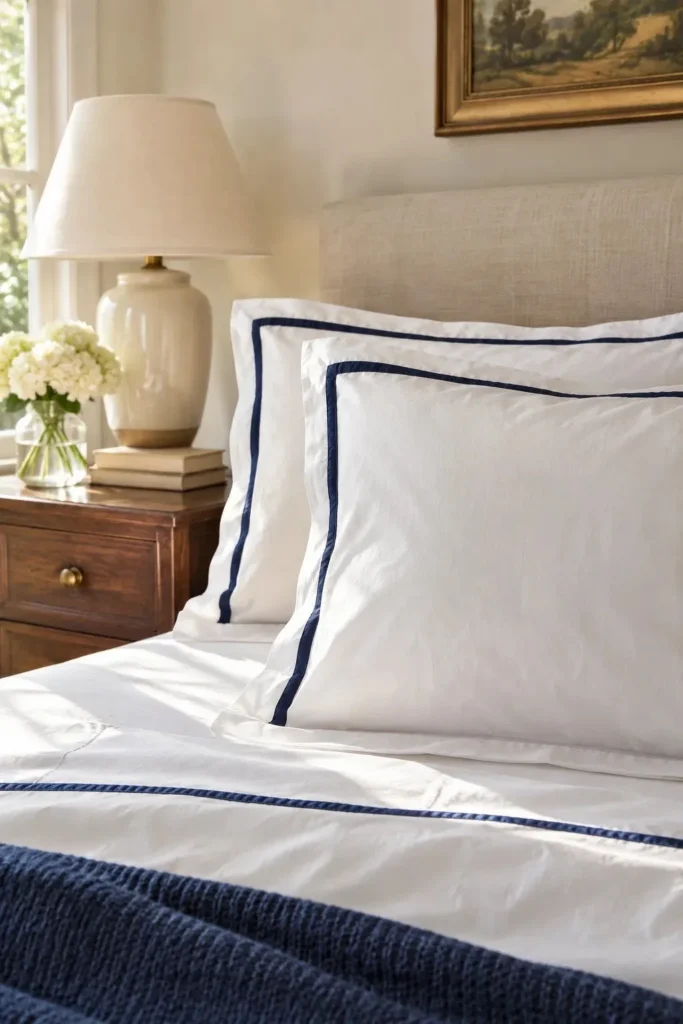
One roll of cotton twill tape can give plain white shams a hotel-style border. Wash and dry the tape first so it won’t shrink and pucker the fabric the next time you launder the shams.
Start with shams you already own. Pin the tape an inch inside each edge, fold it neatly at the corners, and stitch through the front layer only so the pillow still slips inside. Navy gives white bedding a crisp outline, while oatmeal tape on ivory creates a softer look.
Wall-Matched Bookcases
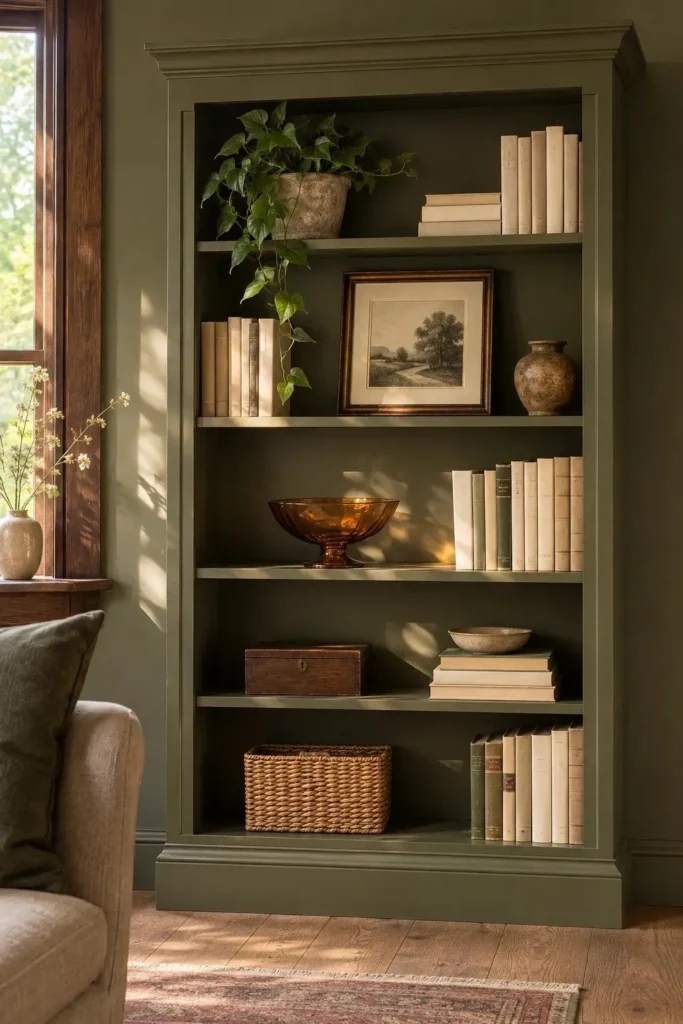
Before: A bright white bookcase against an olive wall draws your eye straight to its rectangular outline. Even a favorite piece, like an amber bowl inherited from family, can get lost among the white shelf edges.
After: Paint the bookcase the same olive as the wall. The outline softens, and the light catching the rim of that amber bowl becomes the detail you notice from across the room.
Take a dried sample of your wall color to the paint store and ask for a matching cabinet paint that can handle books sliding across the shelves. If your bookcase is laminate, use a bonding primer suited to that surface. Follow the paint’s curing instructions before putting heavy books back.
Marble Vanity Trays
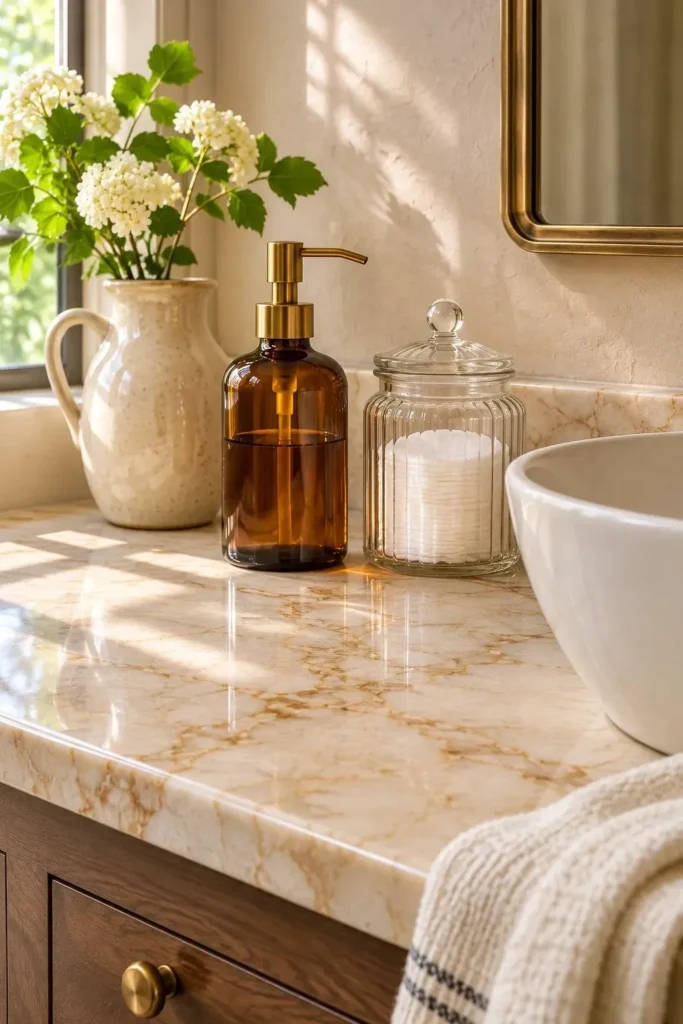
- Shop the tile sample bin for a small piece of marble with a vein you love. A single tile gives you a good view of the pattern you’re buying.
- Choose a piece with smooth, finished edges. Check its footprint on your vanity so it clears the faucet handle and sits flat.
- Dry the underside and add a clear rubber bumper near each corner to protect the counter and keep the tile steady.
- Set your soap pump and one everyday item on the tray. Leave the prettiest stretch of veining visible between them.
On a small vanity, turn the tile so its long edge runs along the backsplash. That leaves room at the front of the sink for your hands and a washcloth. A sample with one bold caramel vein needs very little styling, especially if you pull that color into a hand towel.
Satin Brass Cabinet Hardware
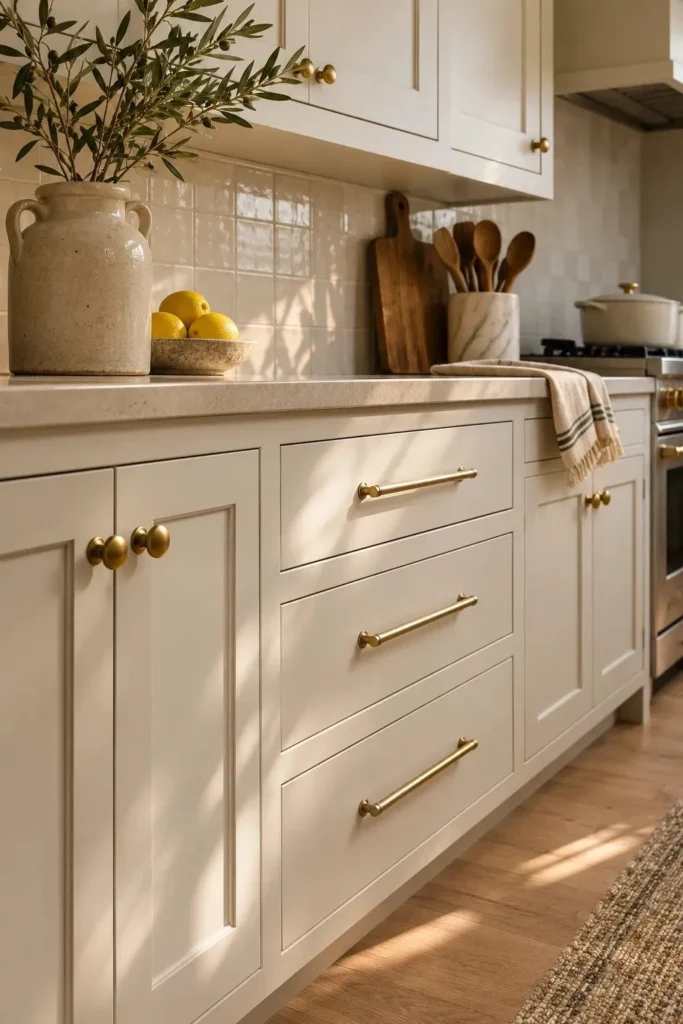
| Detail | Round brass knobs | Slim brass pulls |
|---|---|---|
| Visual effect | A small dot of brass lets the cabinet color stand out. | A longer brass line draws the eye across a bank of drawers. |
| Best placement | Narrow doors and small drawer fronts | Wide drawers where a fuller grip feels comfortable |
| Existing holes | One screw hole per knob | Two holes, with spacing measured from center to center |
| Budget approach | Buy a multipack for a row of pantry doors. | Use a few on the most visible drawers. |
Before ordering a kitchen’s worth of hardware, buy one sample and install it where you cook most often. Open the drawer with a dish towel in your hand to check the grip. Then look at the brass under your evening lights, when a finish that looked mellow online can read surprisingly yellow.
Reupholstered Dining Chairs
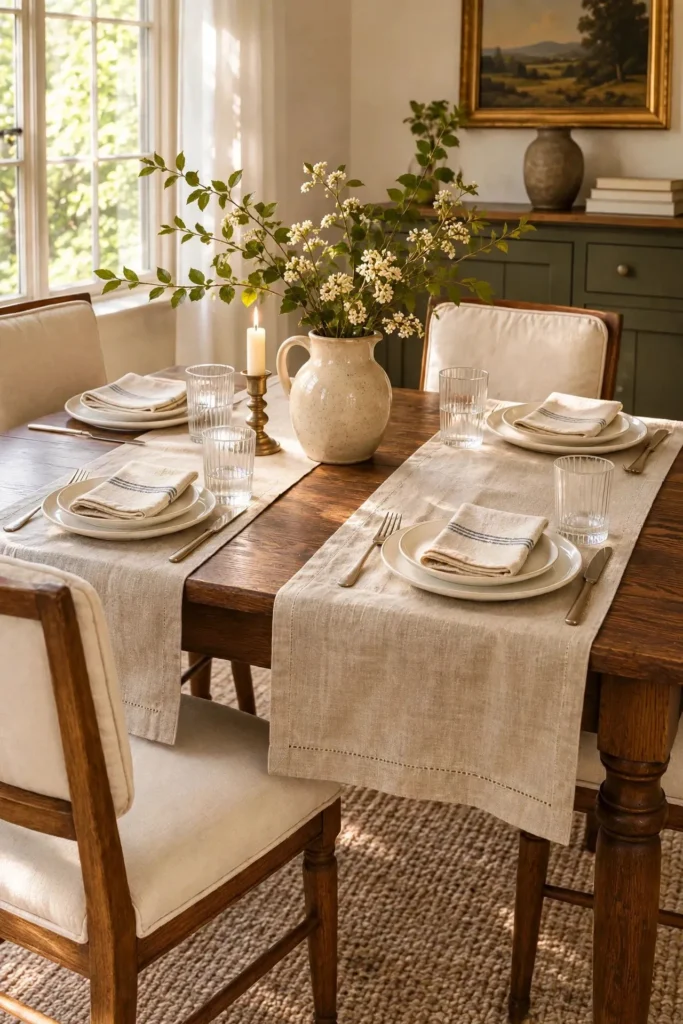
DO
- Give mismatched chairs a family resemblance by covering their seats in the same fabric.
- Choose chairs with seats that unscrew from the underside so you can wrap each cushion separately.
- Center a stripe on each seat and check its position from the front before stapling.
DON’T
- Don’t buy fabric by seat width alone. Allow enough to wrap over the padding and reach the underside.
- Don’t cover screw holes with folded fabric.
- Don’t cut all four pieces from one template until you’ve checked that the seats match in size.
If you’re working with secondhand chairs, take the widest seat and a photo of the set to the fabric store. Lay two fabric samples across the cushion and stand back. You’ll see whether a fine stripe still reads from across the table or whether a wider stripe suits the chairs better.
Tall Branch Arrangements
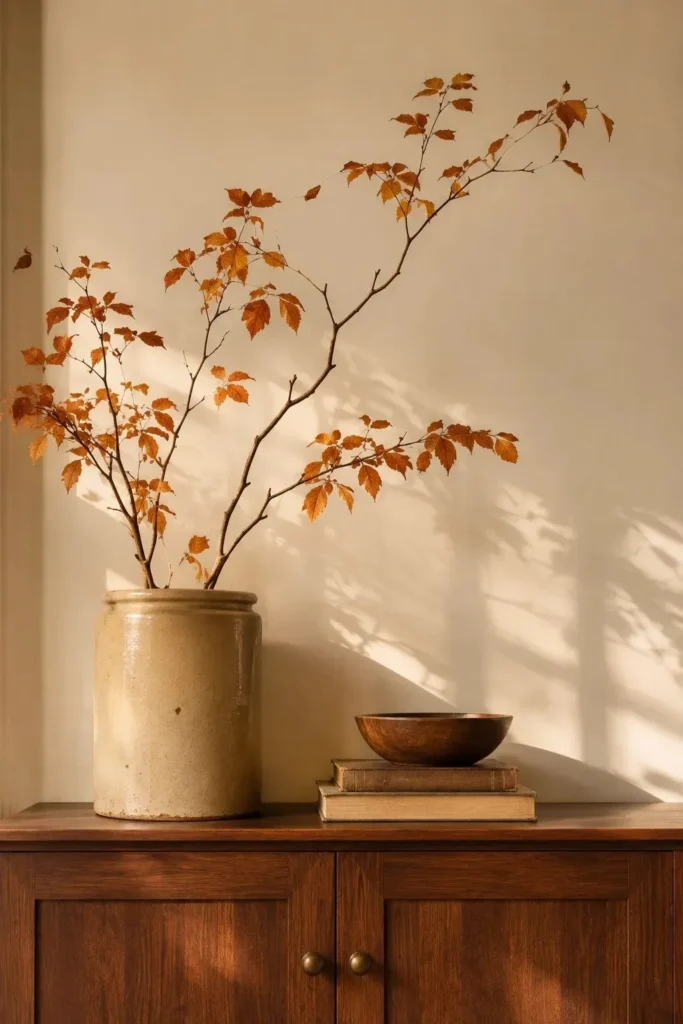
Best spot: A blank stretch of wall above a sideboard gives each branch room to cast a shadow.
Vessel: A heavy crock with a broad base keeps tall stems steady.
Budget: Use a vase you own and branches saved from pruning your own yard.
Setup time: About ten minutes with the stems and vessel ready.
Start with one branch that bends sideways and turn it until its shape is easy to see against the wall. Add a shorter stem on the opposite side, then step back to the doorway. If the twigs blur together from there, remove one stem and let the open space show off the branching pattern.
Layered Living Room Rugs
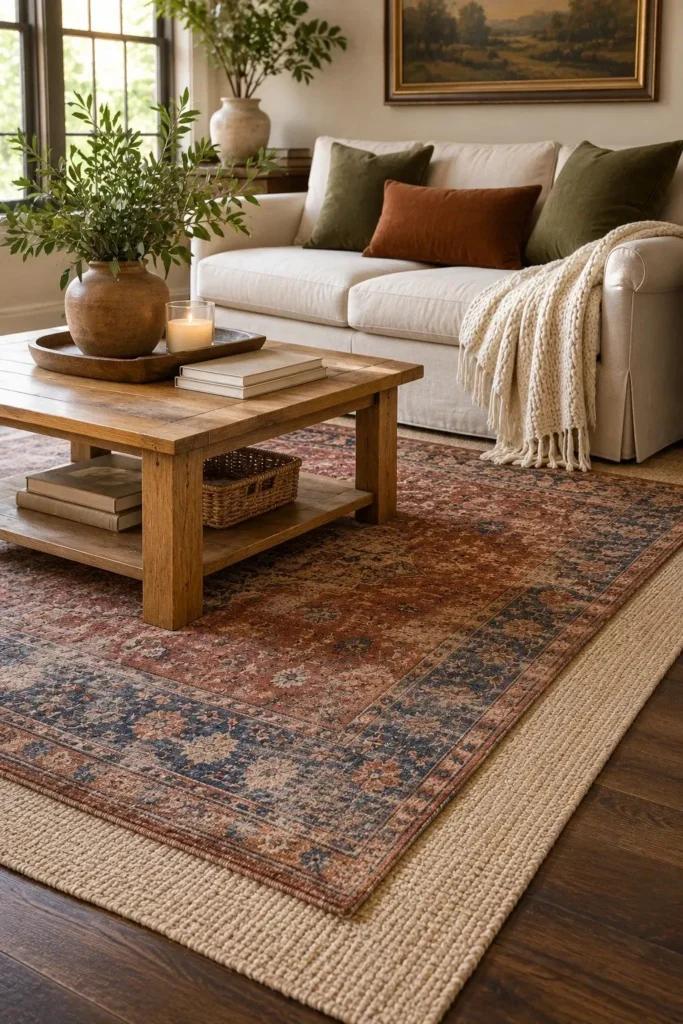
A patterned rug that once fit your apartment can look oddly small in a larger living room. Layer it over a plain flatweave that reaches under the sofa’s front legs. The wider base brings the seating area together, while the rug you already love keeps its place beneath the coffee table.
Before buying the base, tape its outline on the floor and set your smaller rug inside it. Leave enough of the outline visible on each side to frame the pattern. Choose a thin bottom layer, then walk your usual route past the sofa to check that neither edge shifts or bunches.
Pleated Fabric Lampshades
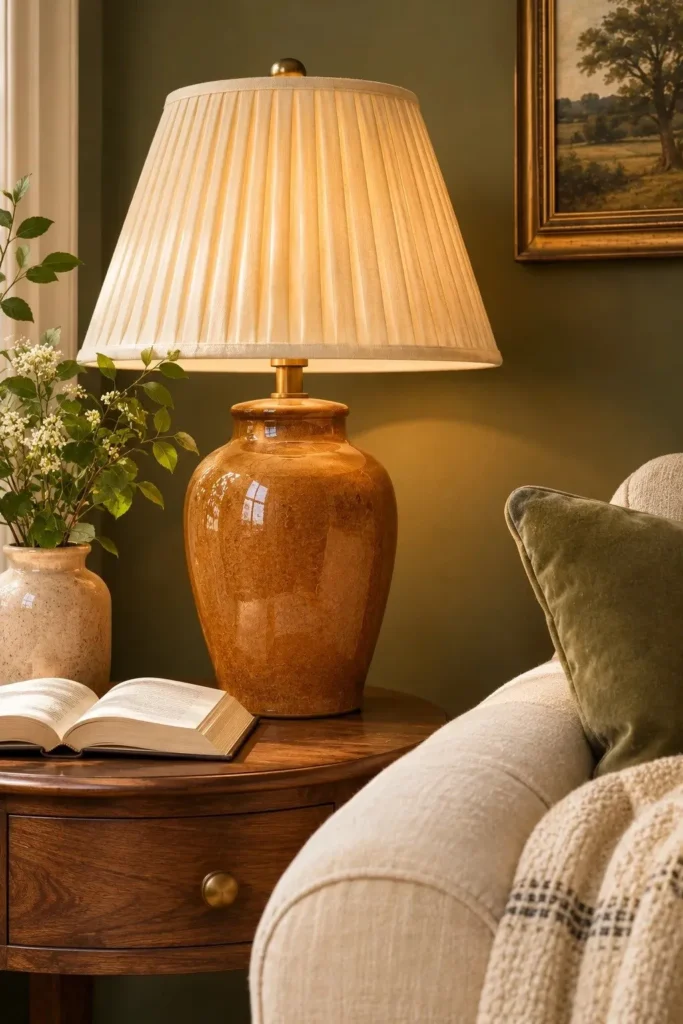
- A pleated shade can make a plain lamp base worth keeping. Start with a lamp you own and measure the width and height of its current shade.
- Check how the shade attaches. Take the old one shopping so you can match the fitting on the replacement.
- Choose narrow pleats for a small bedside lamp. Broader folds show up better on a larger lamp across the room.
- Hold the fabric beside the base in daylight. Cream softens the look of brown pottery, while crisp white picks up the blue in porcelain.
If you can, judge the shade with the lamp switched on. Thin ivory fabric lets light through the folds, so you see alternating bands of light and shadow. For a reading corner, check the lamp from your favorite seat. The lower rim should keep the bare bulb out of sight.
Wallpapered Cabinet Backs
Quick Tip:
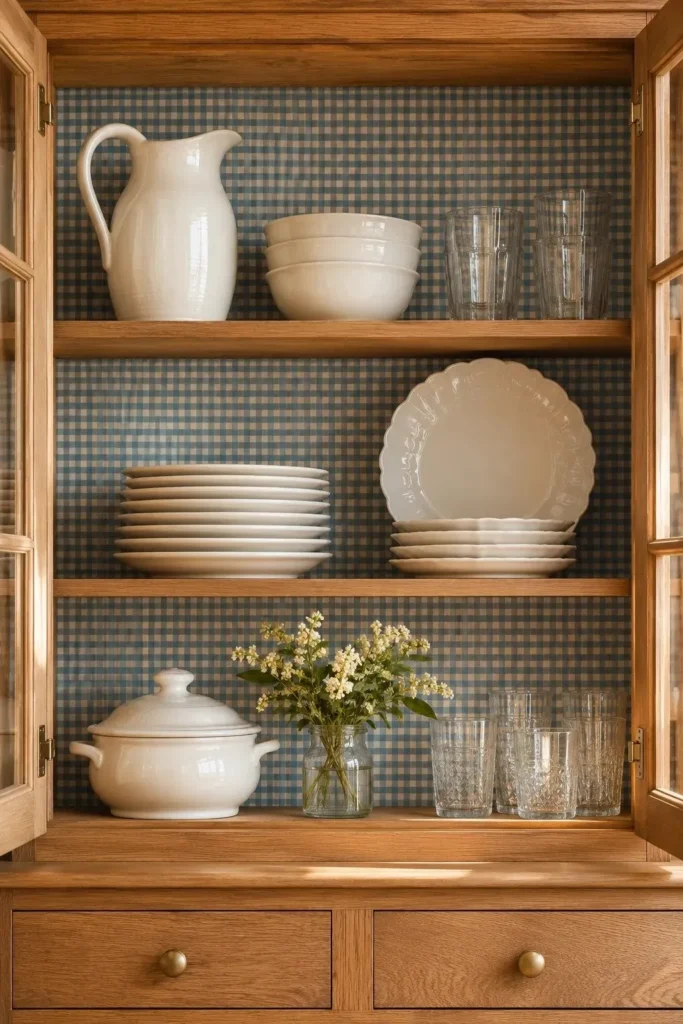
Give a glass-front cabinet a patterned back by wrapping wallpaper around a removable insert. Cut poster board to fit each opening, fold the paper over its edges, and secure it with tape on the reverse side.
If the dream house decor ideas on your Pinterest board feature patterned dining rooms, borrow one of those prints for your cabinet. A dusty blue check behind white plates stays visible through the glass. Leave a little space between stacks so you can enjoy the pattern from the table.
Two-Tone Hallway Walls
Before: In an all-white hallway, the first things you see may be the gray marks where tote bags and shoes brush the wall. A long stretch of bare plaster draws your eye straight to the closed door at the end.
After: Paint the lower portion dusty terracotta and keep the upper wall ivory. The line carries your eye along the hallway, and the deeper shade gives an oak peg rail and pale floorboards a warm backdrop.
Tape a strip of paper along the proposed paint line and look at it from both ends of the hall. If it clips a switch plate or skims the top of a console, shift it a few inches. A washable finish on the lower wall makes everyday scuffs easier to clean.
Fluted Nightstand Drawers
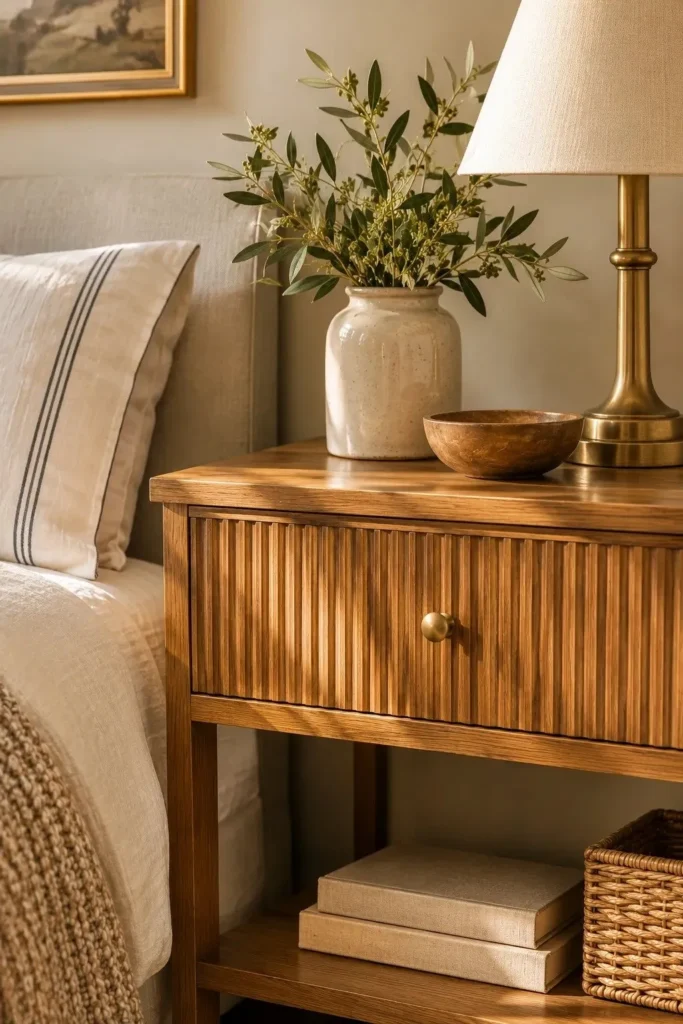
- Give a plain nightstand texture with a few lengths of half-round pine molding. Remove the drawer and knob, then measure the height and width of the drawer front.
- Cut one strip to the height of the drawer front and check the fit. Use it as a guide for the rest, then sand the cut ends smooth.
- Lay the strips side by side before gluing. Center the pattern so the two outer edges match, and keep the molding clear of the gaps around the drawer.
- Glue the strips to the drawer front. Once the glue dries, use the original knob hole as a guide to drill through the new trim from the back. Reattach the knob with a longer screw if needed.
For a one-drawer nightstand, check the trim bin for offcuts long enough to cover the drawer height. Short pieces often work here. If you plan to stain the pine, test the color on a scrap first and hold it against the tabletop in daylight before finishing the whole drawer.
Linen Table Runners
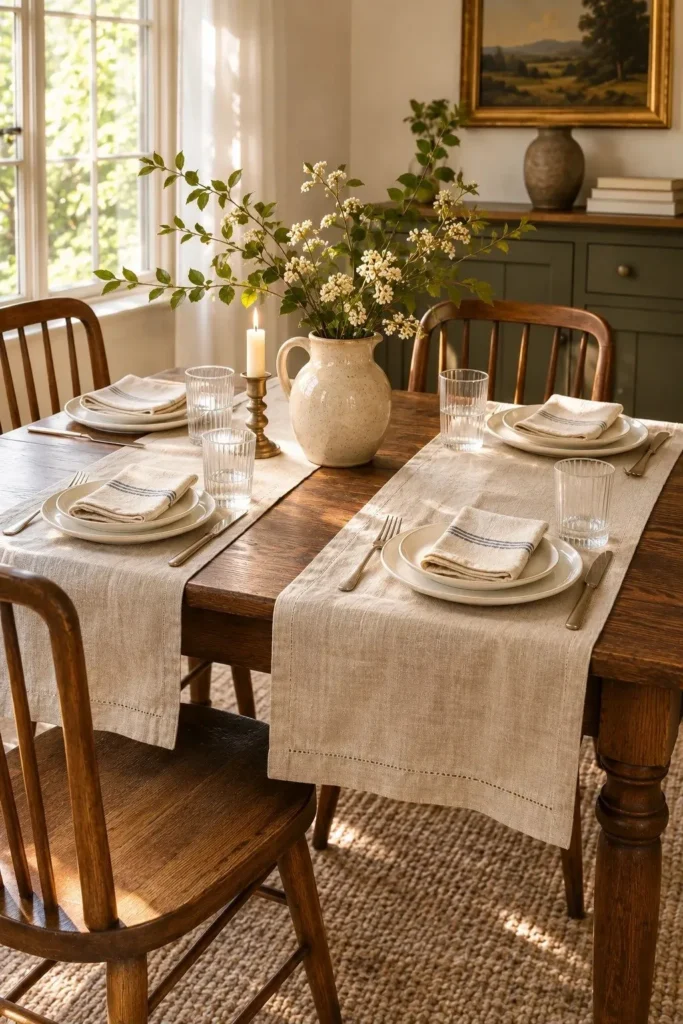
| Detail | One lengthwise runner | Two crosswise runners |
|---|---|---|
| Visual effect | One long strip draws the eye down the table. | Two strips frame four place settings and leave a band of wood visible between them. |
| Table shape | Suits a long table with room for dishes on either side. | Suits a rectangular table with two pairs of seats facing each other. |
| Serving setup | Place shared dishes down the center on trivets. | Keep the middle open for a platter or serving bowl. |
| Budget shortcut | Hem a strip cut from a linen curtain panel. | Cut two short runners from the same panel and hem the edges. |
Before cutting any fabric, fold a sheet to the width you have in mind and set out your dinner plates. Pull up a chair and check where the fabric falls against your knees. A short overhang gives the table a tailored finish and stays clear when someone slides into their seat.
Woven Planter Baskets
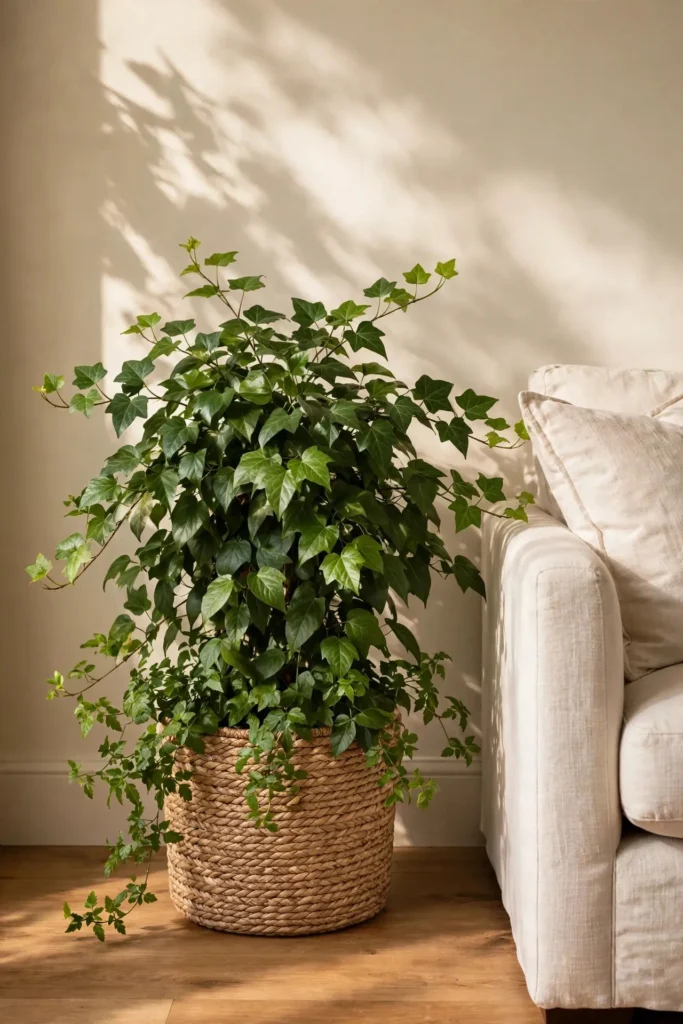
DO
- Give a plant in a plain nursery pot a finished look by slipping it into a secondhand wicker basket.
- Measure the basket opening and its inner base. A tapered basket can be too narrow at the bottom even when the pot clears the rim.
- Place a watertight saucer inside and check that the pot sits level.
DON’T
- Don’t plant directly in an unlined woven basket.
- Don’t leave the nursery pot standing in runoff after watering.
- Don’t choose a basket so deep that the rim hides the lower leaves.
Wrap a strip of brown paper around the nursery pot before shopping and mark its widest point. Fold the strip into your pocket so you can check baskets at the thrift store. For a plant beside a sofa, a low, wide basket keeps the leaves in view even when you’re seated.
Layered Wooden Breadboards
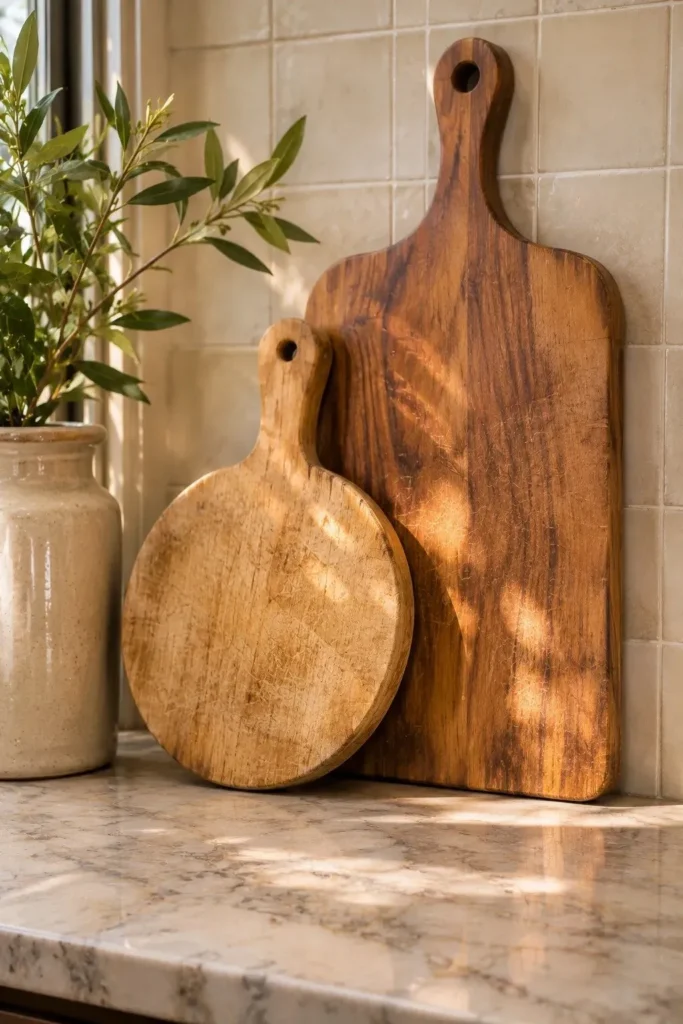
Best pairing: One tall paddle board and one round board give each shape room to stand out.
Budget: Start with a board from your own cupboard and look secondhand for the shape you’re missing.
Placement: Choose a dry stretch of backsplash with enough counter space left for meal prep.
Setup time: About five minutes to arrange boards you already own.
Place the shorter board off to one side so the taller board’s handle and a strip of dark wood stay visible. Keep the board you reach for most in front. After washing it, let both faces dry fully before putting it back, since moisture can linger where the boards overlap.
Tailored Sofa Slipcovers
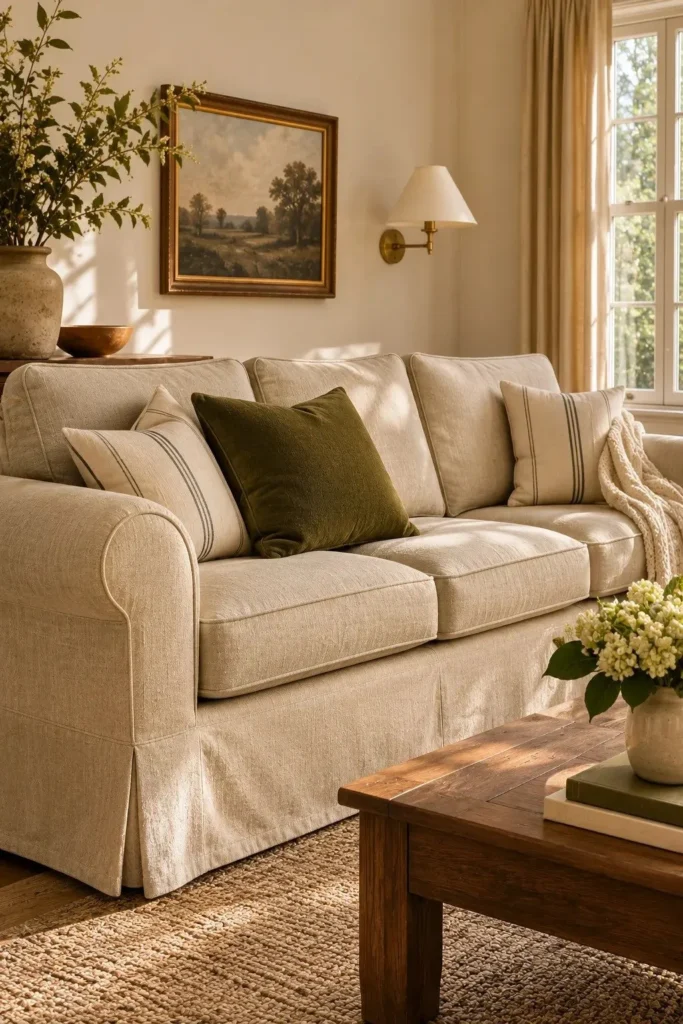
A faded sofa can still have a lovely shape underneath a busy print. A fitted cover in warm oatmeal draws attention back to the curve of an arm or the piping around a cushion. If the seat cushions lift out, look for a slipcover with separate cases for each one.
Measure from the outside of one arm to the outside of the other, then check the cover’s depth and height limits. Before buying, drape a pale sheet over one arm in daylight. If the old pattern shows through, look for a denser weave or a deeper shade.
Balcony Bistro Seating
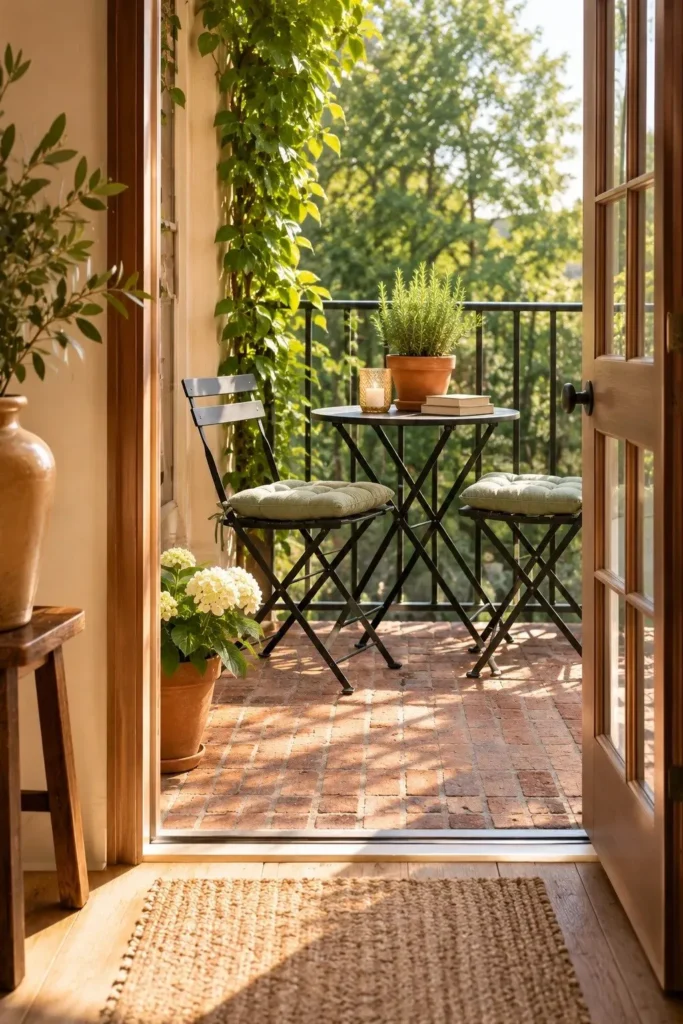
- Let a breakfast tray set the scale. Choose a tabletop with room for two cups and plates, then mark its outline on the balcony floor with tape.
- Open the balcony door fully and pull a chair back from the tape. Check that someone can still get in and out comfortably.
- Look secondhand for folding outdoor chairs. Sit in each one and check that the hinges open smoothly and the feet rest evenly.
- Borrow a color from the room just inside. A sage cushion outdoors can echo a kitchen cabinet or curtain you see through the open door.
On a narrow balcony, set the two chairs at a slight angle to the table. You can talk comfortably, and both seats get a view beyond the railing. If one chair blocks the doorway when pulled out, keep it folded against the wall until someone joins you for coffee.
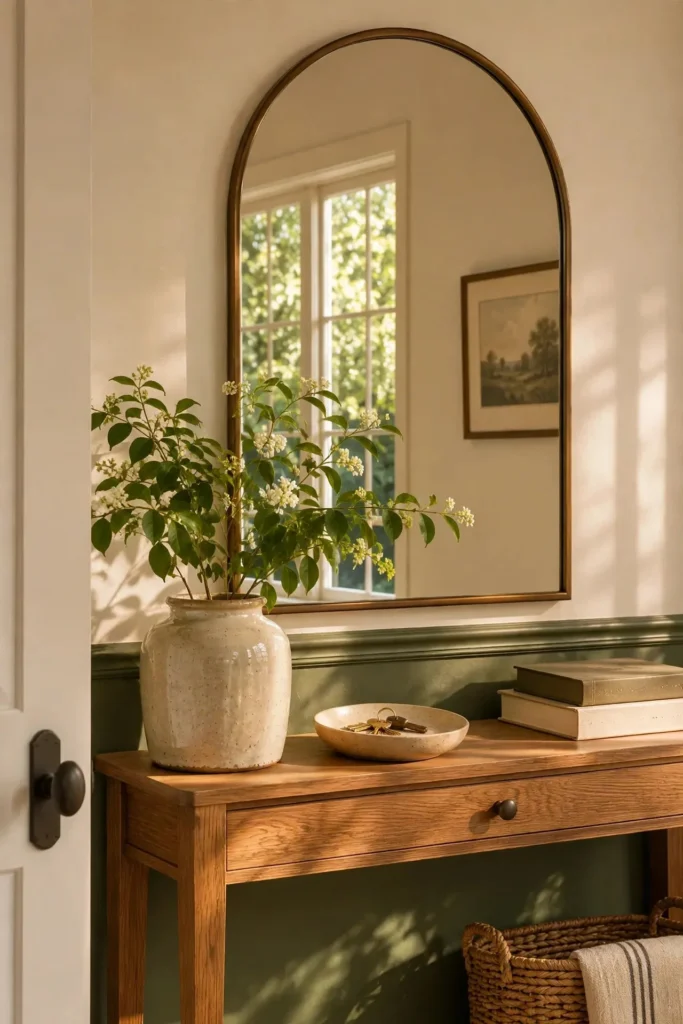
Arched Entry Mirrors
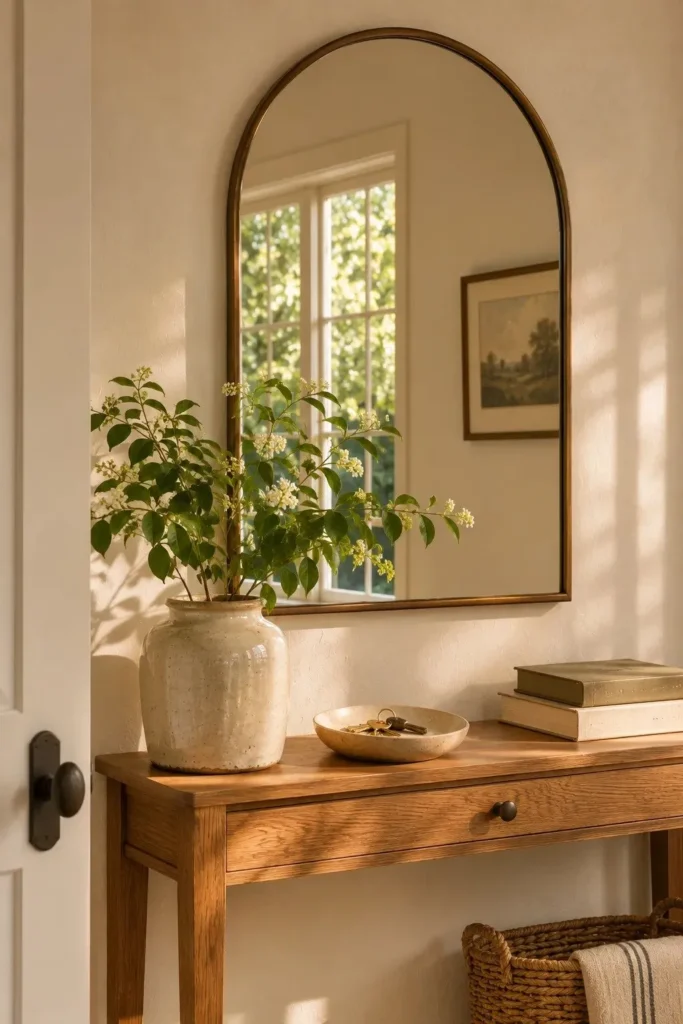
Quick Tip:
The best part of an entry mirror can be the view it catches. Have someone hold a small mirror where you plan to hang the larger one, then stand at the front door and check what comes into view.
Look for a secondhand mirror with a slim frame that lets the curve stand out. Cut the shape from packing paper and tape it above your console before buying. Open the front door and check the sightline again. Even a narrow entry feels more open when the glass catches a patch of sky.
Plug-In Bedside Sconces
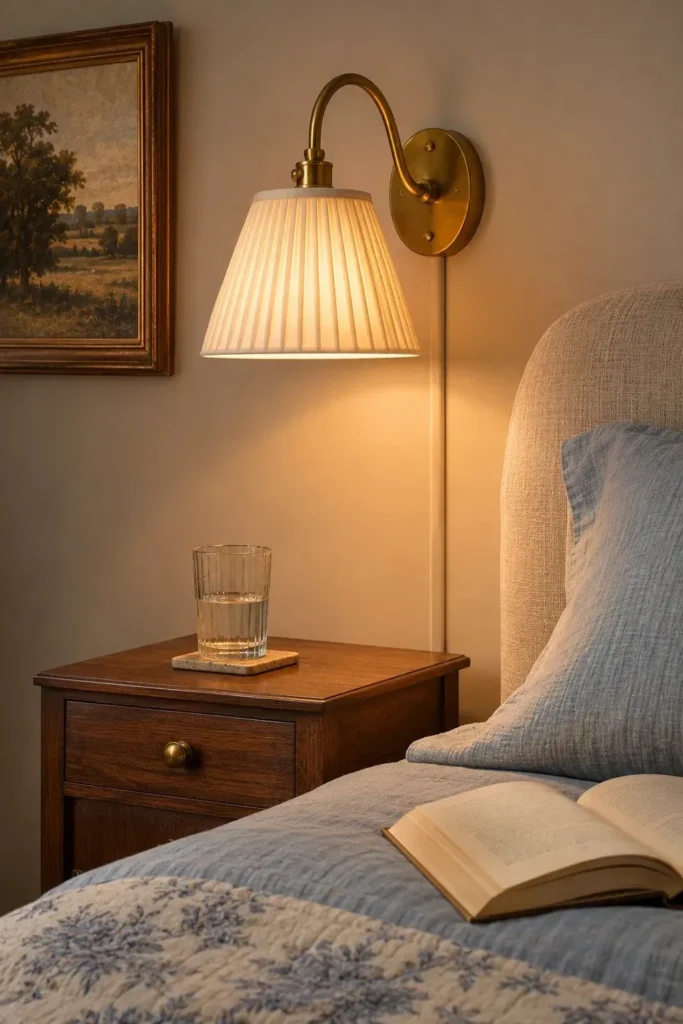
Before: A table lamp takes up much of a small nightstand. Set down a glass of water and an open book, and one of them ends up balanced near the edge.
After: A plug-in sconce moves the reading light onto the wall and frees the tabletop. A swing arm lets you bring the shade closer to the page while your glass stays within reach.
Sit against your usual pillows and have someone hold the unplugged sconce while you open a book. Check that the shade clears your head and that you can reach the switch comfortably. Before mounting, measure the cord path to the outlet, including the bend around the edge of the nightstand.
Checkerboard Side Table
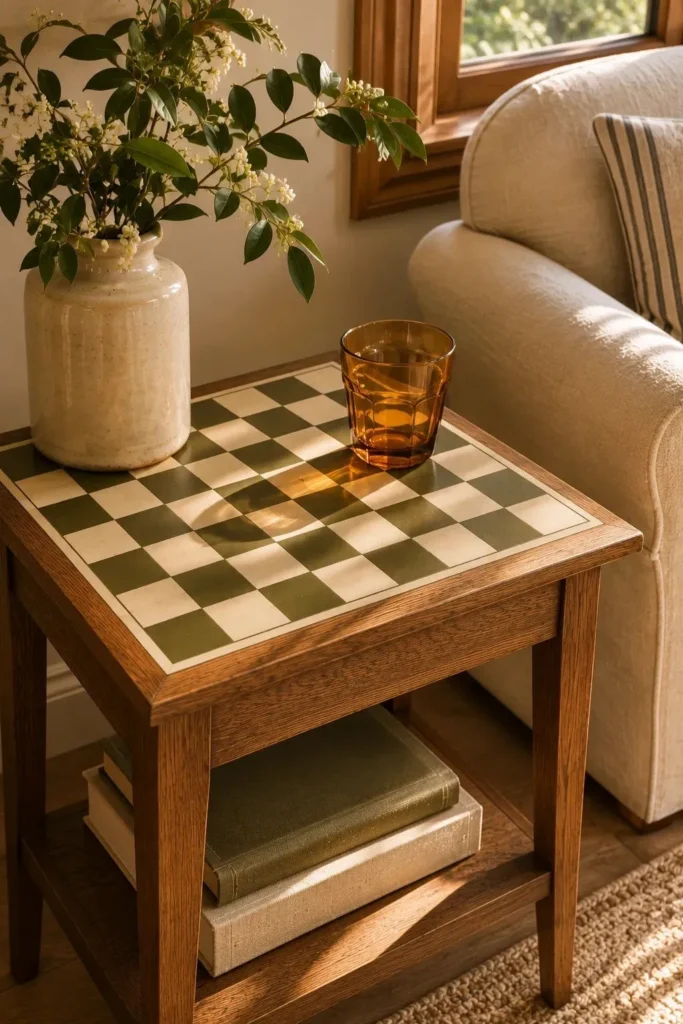
- Give a scratched side table a checkerboard top with two small pots of furniture paint. Clean the surface and prep it according to the paint instructions.
- Apply the lighter color as the base coat. While it dries, draw the tabletop on paper and plan a grid of whole squares with an even border.
- Once the base is ready for painter’s tape, mark the grid lightly in pencil. Tape off alternating squares in the first row and dab on the darker paint with a nearly dry stencil brush.
- Shift the dark squares over by one in the next row. Work across the top, following the paint’s drying instructions before putting tape over a painted square.
For a small tabletop, draw two paper versions before settling on the scale. Set your usual mug on each one and look down from the chair beside it. Choose the grid you can still see clearly around the mug. A slim band of the base color around the edge makes the pattern look finished.
Matching Bathroom Dispensers
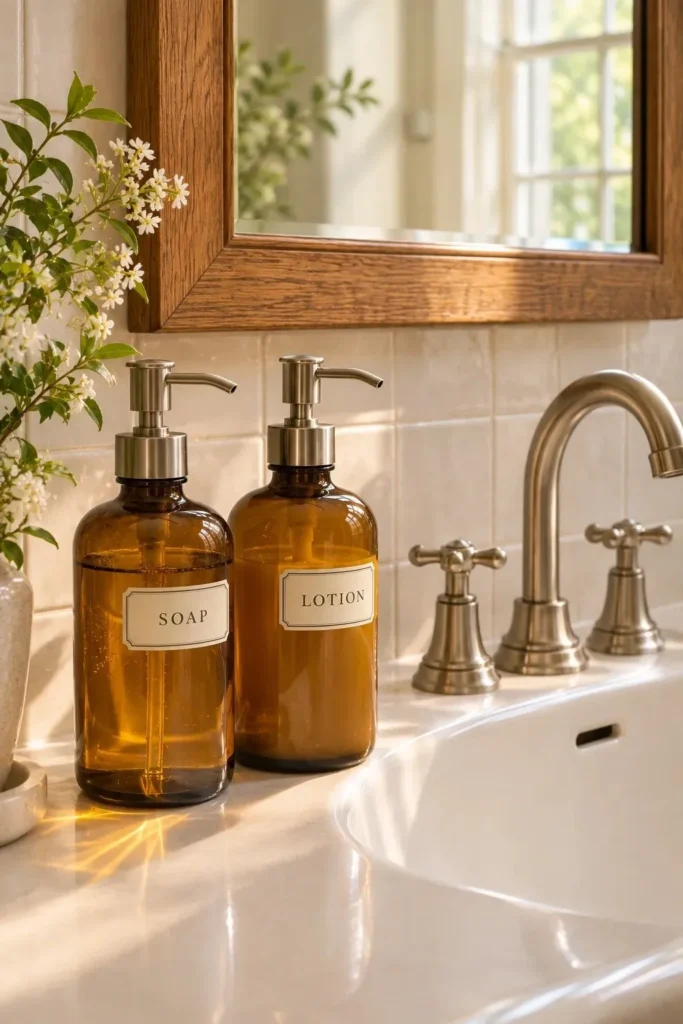
| Detail | Amber glass dispensers | Glazed ceramic dispensers |
|---|---|---|
| Visual effect | Window light brings out the honey color of the glass. | An ivory glaze picks up the color of a white sink. |
| Refill check | Hold the bottle up to the light to see how much is left. | Lift the pump to check the level inside. |
| Best fit | A vanity with wood tones, brass, or warm neutrals | A bathroom with patterned tile where a solid color gives the eye a place to rest |
| Budget detail | Reuse matching glass pump bottles and replace the labels. | Buy one ceramic pump for soap if you keep lotion elsewhere. |
Before buying a pair, cut two paper circles to match the bottle bases and lay them beside the faucet. Turn the handle and wash your hands as usual. If your wrist brushes either circle, choose slimmer bottles or keep just the soap at the sink and move the lotion to a shelf.
Asymmetrical Mantel Styling

DO
- Let one piece lead, such as a landscape print hung slightly off center.
- Set a taller vase on the opposite side and choose one color that also appears in the artwork.
- Place a low bowl beneath the print so its rim sits well below the frame.
DON’T
- Don’t space every object at equal intervals. Bring two pieces closer and leave a wider gap elsewhere.
- Don’t let a vase hide the part of the artwork you like best.
- Don’t fill the shelf from end to end. Leave some molding visible.
If your saved dream house decor ideas feature marble fireplaces, borrow the styling for a painted wood mantel. Look at the arrangement from your usual seat on the sofa. If the bowl and frame seem to touch from that angle, slide the bowl a few inches until you can see daylight between their outlines.
Conclusion
You don’t have to redo a whole room to enjoy these dream house decor ideas. Start with a spot you see every day. If your nightstand barely holds a book and a glass of water, a wall sconce could make bedtime easier. If a favorite print looks lost above the entry table, try a wider mat before you buy another piece of art.
Save this post on Pinterest so you have the details handy, and share it with a friend decorating on a budget. Pick one idea to try this weekend, starting with something you already own and love. For the storage side of a dream home, our closet system ideas make every inch work harder.
